Authentic Salmoriglio Sauce Recipe (Sicilian Lemon & Herb Sauce)

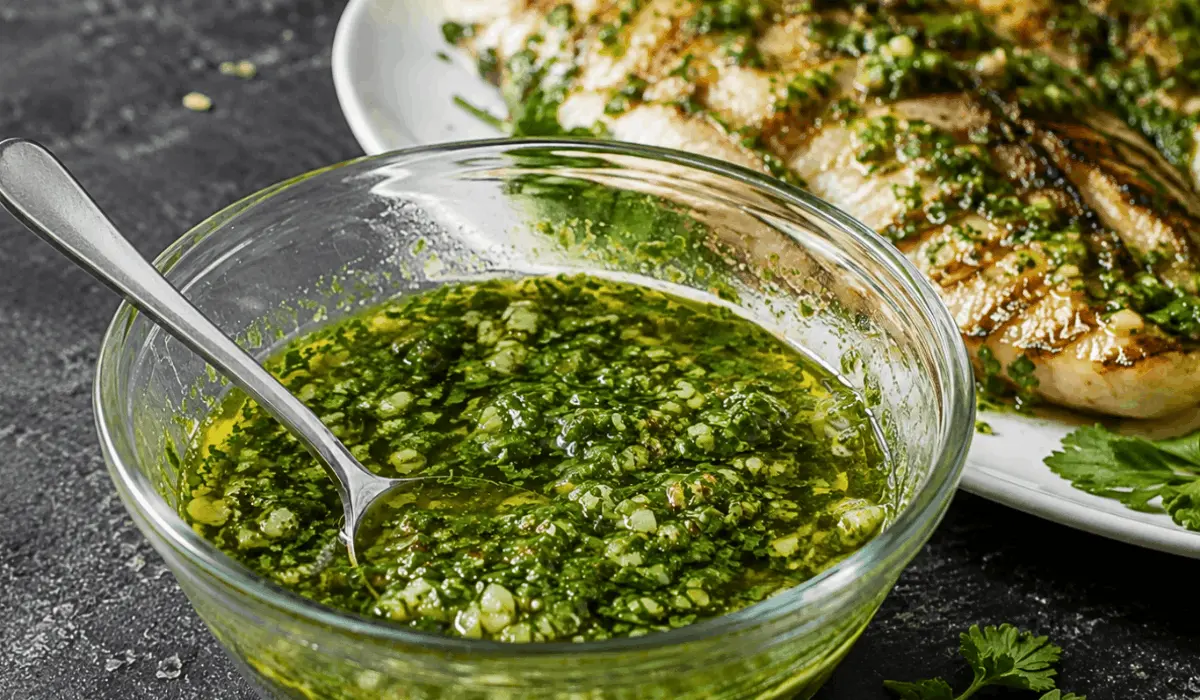
The authentic Salmoriglio sauce recipe is a Sicilian herb sauce made with lemon, garlic, and herbs. The Sicilians serve it drizzled over grilled fish and chicken. It’s one of those sauces that looks almost too easy to make. Olive oil, lemon, garlic, and herbs. That’s it.
But the ratio matters a lot. If you add too much lemon, the sauce will taste like a bottle of lemon juice. Don’t add too much garlic either, or its flavor will overpower all the other ingredients. If you get the proportions right, even plain grilled chicken or fish will be incredibly delicious.
This recipe pairs perfectly with our Italian Grilled Chicken, where I use this exact sauce as both marinade and finishing drizzle.
- Recipe At a Glance
- My Salmoriglio Sauce Recipe Testing Notes
- What Is Salmoriglio Sauce?
- The Origins of Salmoriglio
- Why You'll Love This Salmoriglio Sauce Recipe
- Ingredients You'll Need For Salmoriglio Sauce Recipe
- Equipment You'll Need
- Ingredient Notes u0026 Substitutions
- Step-by-step: How to Make Salmoriglio Sauce
- What I Learned Testing Salmoriglio Sauce
- Why I Don't Use a Food Processor
- How to Fix Salmoriglio Sauce
- Salmoriglio vs. Chimichurri, Gremolata u0026 Other Herb Sauces
- Salmoriglio Sauce Variations
- What to Serve with Salmoriglio Sauce
- Nutrition Information
- How to Store Salmoriglio Sauce
- FAQs About Salmoriglio Sauce Recipe
- Final Thoughts
Recipe At a Glance
| Detail | Info |
|---|---|
| Prep Time | 10 minutes |
| Rest Time | 10-15 minutes |
| Total Time | 25 minutes |
| Yield | About ½ cup |
| Servings | 8 (1 tablespoon each) |
| Course | Sauce, Condiment |
| Cuisine | Italian, Sicilian |
| Calories | 62 kcal per serving |
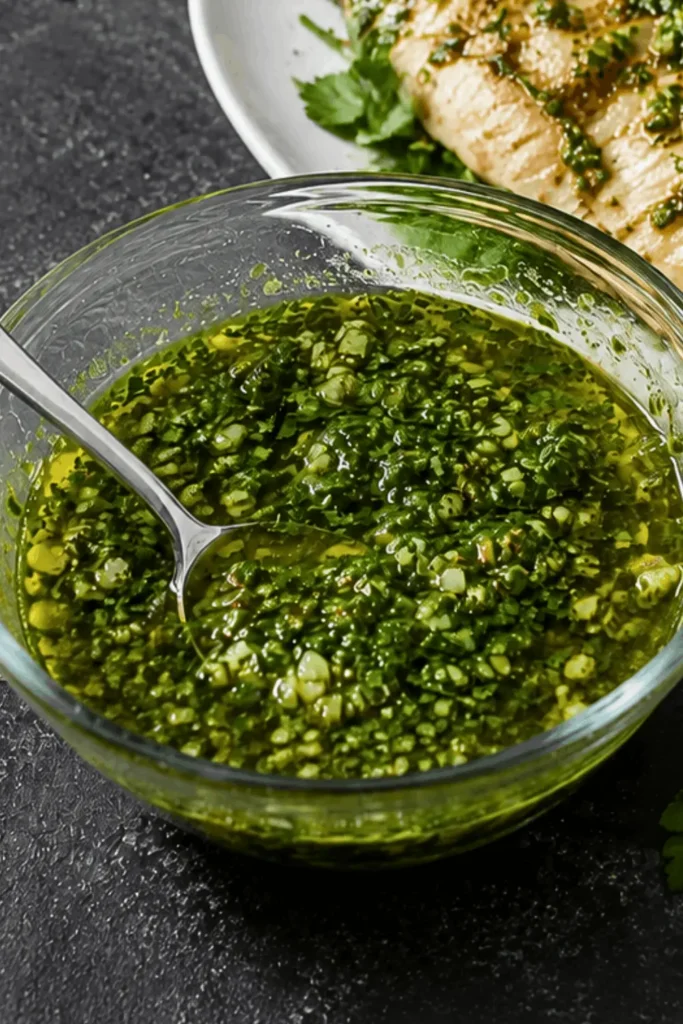
My Salmoriglio Sauce Recipe Testing Notes
I’ve made this sauce many times. So I know what most home cooks get wrong. The first few times I used too much lemon juice and little oil. The sauce didn’t taste bright nor did it really taste like a sauce. Instead, it tasted overwhelmingly of lemon.
Cutting back the lemon juice slightly and don’t add it all at once. Gradually mix it in with the oil. A little at a time. It’s a small change but it makes a big difference. This way the sauce becomes smooth and well-balanced instead of flat and sour.
What Is Salmoriglio Sauce?
Salmoriglio is a traditional Sicilian sauce, and it’s one of the most well-known Sicilian salmoriglio sauce recipes from the region. It is made with extra virgin olive oil, fresh lemon juice, garlic, and herbs. Typically oregano and parsley are used. It’s whisked together rather than cooked. So the flavors remain bright and sharp. Its main purpose is to preserve taste not to provide warmth from heat.
Bright, garlicky, and herby with a hint of citrus. This flavor balances the smoky, rich taste after grilling. It’s typically served with grilled fish and chicken, but you can also enjoy it with shrimp, vegetables, or even crusty bread.
The Origins of Salmoriglio
Salmoriglio is a Sicilian sauce. Its name likely comes from the word “brine” or salted water, since early versions were closer to a simple oil-and-salt water dressing. That meaning still fits the sauce today. It started as a simple salted marinade for fish before garlic, lemon, and herbs were added. Originally fishermen used it to flavor fish. Over time garlic, lemon and various herbs were added. Later this sauce became a regular part of Trapani and Sicily’s coastal cuisine. This sauce was brushed onto freshly caught fish after grilling.
The history of Southern Italian cuisine is deeply intertwined with Greek cuisine. Some food historians believe this Italian herb sauce may be related to the Greek sauce ladolemono. Both sauces share olive oil and lemon as their main ingredients. It’s quite natural since cooking in this part of the Mediterranean. In Sicily and its Greek neighbors shares many similarities.
Why You’ll Love This Salmoriglio Sauce Recipe
- Quick and easy: it comes together in about 10 minutes, no cooking required
- Bright and fresh: Lemon, olive oil, garlic, and herbs bring a clean, lively flavor to grilled foods.
- Works with almost anything: Drizzle it over grilled chicken, fish, shrimp, vegetables, or even crusty bread.
- Simple ingredients, big flavor: A handful of everyday ingredients can turn a basic grilled meal into something much more flavorful.
Ingredients You’ll Need For Salmoriglio Sauce Recipe
Salmoriglio Sauce Recipe only needs a handful of ingredients, but the ratio between them is what makes it work. Here’s what goes into the version I use on our Italian Grilled Chicken Recipe.
- ¼ cup extra virgin olive oil
- 2 tablespoons fresh lemon juice
- 1 tablespoon warm water
- 2 garlic cloves, finely minced
- 1 tablespoon fresh parsley, chopped
- 1 teaspoon dried oregano
- ½ teaspoon kosher salt
- ¼ teaspoon black pepper
See recipe card below for the full recipe with instructions.
Equipment You’ll Need
- Mixing bowl
- Whisk
- Citrus juicer or reamer
- Knife and cutting board, for mincing garlic and chopping parsley
- Measuring spoons and cups
- Airtight container, for storing leftovers
Ingredient Notes & Substitutions
Extra Virgin Olive Oil
Use good quality extra virgin olive oil, because it’s the sauce’s main foundation. The flavors of lemon and garlic are balanced by a fruity, robust oil. Avoid a bland refined oil for this sauce, or the sauce’s flavor will become dull.
Fresh Lemon Juice
Use only freshly squeezed lemon juice. This sauce has a bright flavor. But bottled lemon juice isn’t as bright. It contains preservatives. So it may have a slight metallic taste. These preservatives prevent the lemon juice from spoiling and keep it fresh for a long time.
Garlic
Use fresh very finely minced garlic. It will add flavor to the sauce. The garlic flavor shouldn’t overpower the sauce. A small amount is sufficient here.
Parsley
Fresh parsley brings a grassy freshness and a beautiful color to sauces. Flat-leaf or Italian parsley has more flavor than curly parsley, so it’s best to use that.
Oregano
Regular dried oregano also pairs well with the tartness of lemon. You can also use fresh oregano which gives a more herbaceous, intense flavor. Both are authentic.
Salt & Black Pepper
It’s easy to control kosher salt because it’s coarser and less concentrated than table salt. Freshly ground black pepper adds a mild spiciness.
Warm Water
Adding a little water will help the sauce blend well and become light and thin, so it won’t pool on the food but will spread nicely.
Step-by-step: How to Make Salmoriglio Sauce
Step 1: Combine the Aromatics
In a bowl, combine the lemon juice, warm water, finely minced garlic, parsley, oregano, salt, and pepper then whisk well.
Step 2: Add the Oil Slowly
Lightly whisking then add the olive oil little by little. This will help the lemon juice and oil blend well. The sauce will also become smoother.
Step 3: Taste and Adjust
Before setting the sauce aside give it a taste. If the lemon is too tart then add a little more olive oil. If it’s bland, add a pinch of salt or a squeeze of lemon juice. Make adjustments in small increments. It’s easy to add more but hard to take away later.
Step 4: Let It Rest
Let sauce sit for 10 to 15 minutes before serving. This allows all the flavors to meld together nicely. The garlic and herbs will also soften.
Why I Whisk Salmoriglio Instead of Using a Food Processor
For me, whisking the sauce by hand makes it lighter and fresher. A food processor breaks down the garlic and herbs more thoroughly. It can make the sauce thick. How long you process it can also give the sauce a bitter taste.
What I Learned Testing Salmoriglio Sauce
I’ve made this sauce several times. I kept experimenting until I got the right proportions. Even small tweaks can make a big difference. And here’s what I’ve learned:
Does dried oregano work? Yes. I tasted it with fresh oregano. But I liked the dried oregano better. It blended better with the lemon flavor. The fresh oregano gave a softer note.
Is fresh parsley necessary? No, but I did include it in my final version. It makes the sauce color more vibrant and it also brings that clean, grassy flavor.
How much garlic gives the best balance? It didn’t turn out as well as I’d hoped. It’s better to use one or two small cloves of garlic. That way you get a clean garlic flavor without overpowering the lemon and herbs.
Does blending change the texture? Yes. It had become too thick. When I processed it instead of whisking the herbs turned out very fine. I preferred the texture of my hand chopped herbs mixed in with a whisk. It was lighter.
Does resting improve the flavor? Yes. The sauce was quite sharp in flavor when I scooped it fresh from the bowl. If you let it sit for 10 to 15 minutes then all the flavors meld together nicely. I let the sauce rest briefly before serving.
What can make Salmoriglio taste bitter? The olive oil mattered more than I expected. Over-processing the garlic and herbs can also cause it. A good extra virgin olive oil and gentle mixing gave me the cleanest result.
Why I Don’t Use a Food Processor
A food processor grinds herbs and garlic very finely and chops them very quickly. The excessive friction and heat can draw bitter compounds from the garlic or herbs especially from oregano and parsley. This damages the parsley and accelerates oxidation causing the parsley’s bright green color to fade.
It only takes a few extra minutes to mash by hand. But the flavor stays cleaner and the texture lighter. If you want an even smoother sauce then you can use a mortar and pestle instead of a food processor. It’s a good middle ground option for you.
How to Fix Salmoriglio Sauce
Too Bitter
This is usually caused by over-processed garlic, herbs, or bitter olive oil. Add a little more oil and a pinch of salt. Next time, mince it by hand instead of using a food processor.
Too Sour
The amount of lemon is much greater than the oil. Gradually add more olive oil. Then whisk to balance it.
Too Salty
Add a splash more lemon juice and olive oil to dilute the salt without changing the ratio too much.
Too Garlicky
Let the sauce rest longer. Raw garlic mellows over time. If it’s still too strong after 30 minutes then whisk in more oil, lemon, and herbs to dilute it.
Too Thin
Add a little more chopped parsley or oregano to thicken it slightly. Let it rest longer so the herbs absorb some of the liquid.
Salmoriglio vs. Chimichurri, Gremolata & Other Herb Sauces
| Sauce | Origin | Base | Acid | Herbs | Best Use |
|---|---|---|---|---|---|
| Salmoriglio | Sicily, Italy | Olive oil | Lemon juice | Oregano, parsley | Grilled fish, chicken |
| Chimichurri | Argentina/Uruguay | Olive oil | Red wine vinegar | Parsley, oregano | Grilled steak |
| Gremolata | Northern Italy | No oil base | Lemon zest | Parsley | Garnish for braises, osso buco |
| Salsa Verde | Italy/Mediterranean | Olive oil | Vinegar or lemon | Parsley, capers, anchovy | Grilled meats, fish |
Salmoriglio and chimichurri look similar on paper since both use olive oil, garlic, oregano, and parsley. The difference is the acid. Salmoriglio uses lemon juice, which gives it a brighter, more citrus-forward flavor. Chimichurri uses vinegar, which makes it sharper and more pungent. Salmoriglio also leans toward fish and poultry, while chimichurri is traditionally served with grilled steak.
Salmoriglio Sauce Variations
- Spicy: Add a pinch of red pepper flakes for heat that cuts through rich, fatty fish like swordfish.
- Fresh Herb: Swap the parsley for fresh basil or mint for a slightly different, more aromatic profile.
- Tomato: Some Sicilian versions add a spoonful of finely chopped ripe tomato for a touch of sweetness.
- Wine: Older recipes sometimes replace part of the lemon juice with dry white wine for a softer acidity.
- Butter: Whisk in a tablespoon of softened butter instead of some of the olive oil for a richer, silkier version. Great melted over grilled fish or steak.
What to Serve with Salmoriglio Sauce
- Italian Grilled Chicken: This is the sauce’s signature pairing. Try it with our Italian Grilled Chicken Recipe with Authentic Salmoriglio Sauce for the full marinade-and-drizzle method.
- Grilled Fish: Swordfish is the traditional pairing in Sicily, but it works beautifully on branzino, halibut, or any firm white fish.
- Shrimp: Toss grilled shrimp in a spoonful right off the skewer for a bright, garlicky finish.
- Vegetables: Zucchini, eggplant, and asparagus all soak up the sauce well straight off the grill.
- Bread: Serve it as a dip with crusty bread to catch every last bit.
Nutrition Information
This nutrition estimate is based on one batch of Salmoriglio sauce (about ½ cup), divided into 8 servings of 1 tablespoon each. Since the sauce is mostly olive oil, most of the calories come from fat, which is expected and typical for oil-based sauces like this one.
| Nutrient | Amount per serving (1 tbsp) |
|---|---|
| Calories | 62 kcal |
| Total Fat | 6.8g |
| Saturated Fat | 0.9g |
| Cholesterol | 0mg |
| Sodium | 71mg |
| Total Carbohydrates | 1g |
| Dietary Fiber | 0g |
| Sugars | 0g |
| Protein | 0.1g |
Nutrition information is calculated using USDA FoodData Central data and is an estimate. Actual values can vary based on ingredient brands, exact measurements, and preparation. Sodium values are based on Diamond Crystal kosher salt; if you use Morton or another brand, sodium content may be higher.
Sources: USDA FoodData Central – Olive oil | Lemon juice | Garlic | Parsley | Oregano | Black pepper
How to Store Salmoriglio Sauce
The best time to eat Salmoriglio is within the first two days. During this period the herbs stay fresh and the garlic flavor hasn’t become too intense. Store it in an airtight container in the refrigerator. Over time the oil and lemon juice may separate. So give it a little stir before using.
It can be kept for about a week. This will deepen the garlic flavor and slightly reduce the herbs’ flavor. You can store it in small amounts in the freezer for up to three months. Before using leave it in the fridge overnight to thaw.
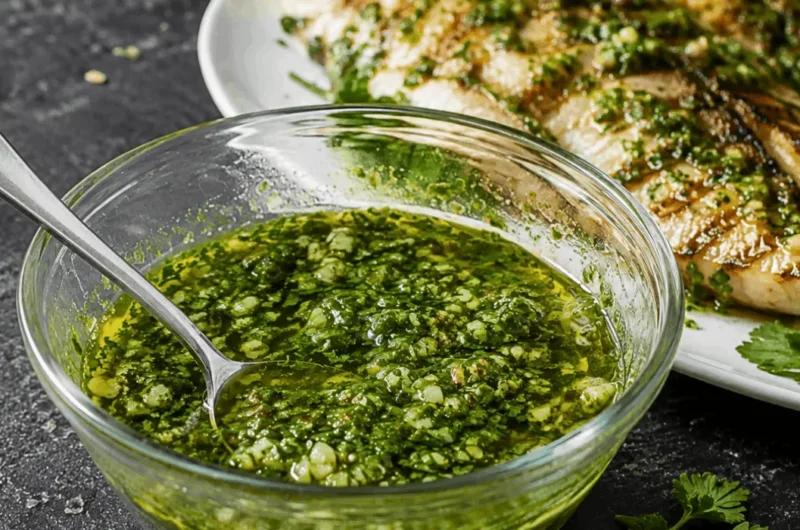
Authentic Salmoriglio Sauce Recipe (Sicilian Lemon & Herb Sauce)
Course: SauceCuisine: Italian, SicilianDifficulty: Easy8
servings10
minutes15
minutes62
kcal25
minutesThis authentic Salmoriglio sauce recipe is the real Sicilian lemon and herb sauce, made with just olive oil, lemon juice, garlic, and herbs. It’s whisked together in about 10 minutes and adds bright, garlicky flavor to grilled chicken, fish, shrimp, or vegetables.
Ingredients
¼ cup extra virgin olive oil
2 tablespoons fresh lemon juice
1 tablespoon warm water
2 garlic cloves, finely minced
1 tablespoon fresh parsley, chopped
1 teaspoon dried oregano
½ teaspoon kosher salt
¼ teaspoon black pepper
Directions
- In a bowl, combine the lemon juice, warm water, finely minced garlic, parsley, oregano, salt, and pepper, then whisk well.
- While lightly whisking, add the olive oil little by little. This will help the lemon juice and oil blend well, and the sauce will become smoother.
- Before setting the sauce aside, give it a taste. If the lemon is too tart, add a little more olive oil. If it’s bland, add a pinch of salt or a squeeze of lemon juice. Make adjustments in small increments.
- Let the sauce sit for 10 to 15 minutes before serving. This allows all the flavors to meld together nicely, and the garlic and herbs will soften too.
Notes
- Use good-quality extra virgin olive oil and freshly squeezed lemon juice for the best flavor.
- Whisking by hand (rather than a food processor) keeps the sauce lighter and prevents bitterness.
- Store in an airtight container in the fridge for up to a week, or freeze in small portions for up to 3 months.
FAQs About Salmoriglio Sauce Recipe
What is Salmoriglio sauce made of?
Salmoriglio is made from extra virgin olive oil, fresh lemon juice, garlic, oregano, and parsley, whisked together with a little salt, pepper, and warm water. It’s a raw, uncooked sauce, so the fresh flavors stay sharp and bright.
What does Salmoriglio sauce taste like?
It tastes bright and citrusy, with garlicky and herbal notes from the oregano and parsley. The olive oil rounds it out and keeps it from tasting too sharp or acidic.
What is Salmoriglio sauce used for?
It’s traditionally used as a marinade and finishing sauce for grilled fish and chicken. It also works well on shrimp, grilled vegetables, and as a dip for crusty bread.
Is Salmoriglio the same as chimichurri?
No, though they’re similar. Salmoriglio uses lemon juice as its acid, while chimichurri uses vinegar. Salmoriglio is also more closely tied to fish and poultry, while chimichurri is traditionally served with steak.
Can I use dried oregano instead of fresh?
Yes, and it’s actually the more traditional choice. Dried oregano holds its flavor well against the acidity of the lemon, so you’re not losing authenticity by using it.
How long does Salmoriglio sauce last in the refrigerator?
It tastes best within the first two days, but it stays safe to eat for up to a week if stored in an airtight container. The flavor will shift slightly as the garlic gets stronger over time.
Can I freeze Salmoriglio sauce?
Yes. Freeze it in small portions for up to three months, and thaw it in the fridge overnight before using. Give it a good whisk once thawed, since the oil and lemon juice will separate.
Can I make Salmoriglio sauce ahead of time?
Yes. You can make it a few hours or even a day ahead. Just give it a good whisk before serving since the oil and lemon juice will separate as it sits.
Is Salmoriglio sauce spicy?
No, the classic version isn’t spicy. It’s bright and garlicky rather than hot. If you want heat, add a pinch of red pepper flakes, as noted in the spicy variation above.
What does salmoriglio mean?
The name likely comes from the Italian word for brine or salted water. Early versions of the sauce were closer to a simple oil-and-salt marinade before garlic, lemon, and herbs became part of the recipe.
Final Thoughts
Salmoriglio Sauce Recipe shows that with just a few ingredients and a few simple steps. You can make an amazing sauce. It can even be better than sauces made with many complex ingredients. The real secret lies in the right proportions of lemon, oil, garlic, and herbs. Once you understand these proportions you won’t want to use bottled marinades anymore.
Try it this week with grilled chicken or fish! I’d love to know how yours turned out and whether you went with the original recipe or a variation. Leave me a note and let me know.